
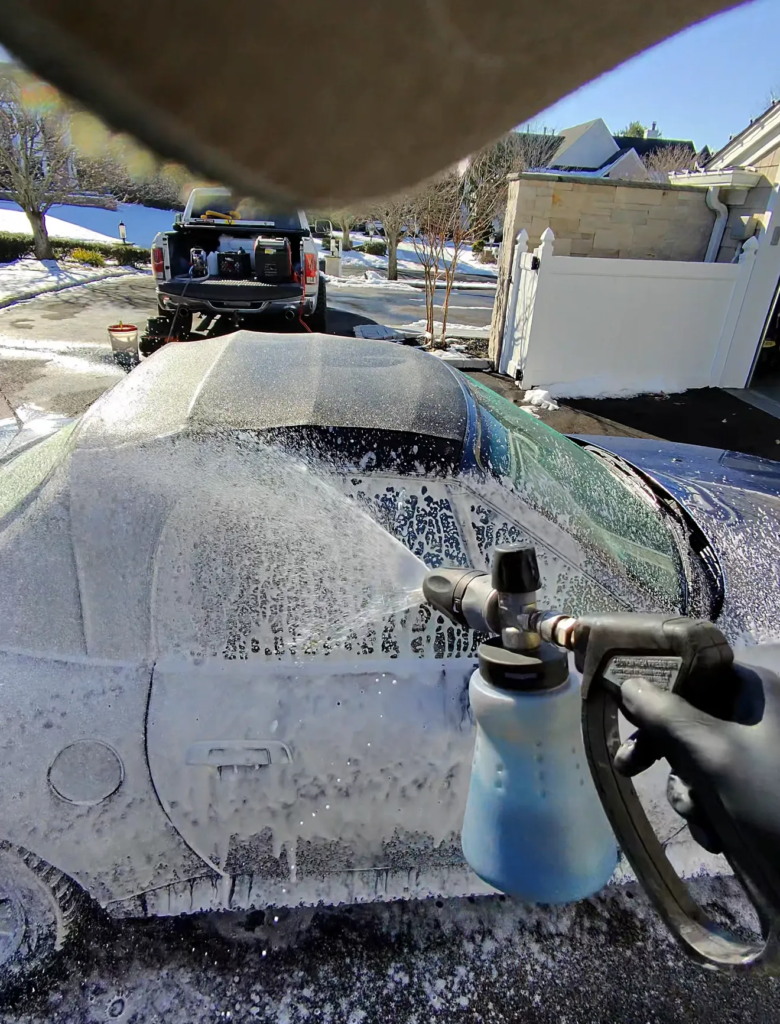
Winter in New York City is tough on vehicles. Between road salt, freezing temperatures, ice, snow, and constant temperature fluctuations, your car faces a barrage of challenges that can damage paint, corrode metal, and cause long-term wear. The good news? With proper preparation and maintenance, you can protect your vehicle and keep it running smoothly all winter long. Here’s your complete guide to winterizing your car the right way.
1. Protect Your Paint with a Pre-Winter Detail
Before the first snowfall hits, give your vehicle a thorough exterior detail. This includes a deep wash, clay bar treatment to remove embedded contaminants, and application of a protective wax or sealant. Even better: get a ceramic coating or paint sealant applied before winter. This creates a barrier between your paint and road salt, preventing corrosion and making it easier to wash off winter grime. Think of it as weatherproofing your car’s exterior before the storm.
2. Apply Undercoating and Rust Protection
Road salt is your vehicle’s worst enemy in winter. It accelerates rust and corrosion on the undercarriage, wheel wells, and exposed metal components. Consider having a professional undercoating or rust inhibitor applied to your vehicle’s underside. This creates a protective barrier that prevents salt and moisture from reaching vulnerable metal surfaces. If your car is more than a few years old, this step is especially critical for preventing long-term damage.
3. Wash Your Car Regularly (Yes, Even in Winter)
It might seem counterintuitive, but washing your car frequently in winter is one of the best things you can do to protect it. Road salt accumulates quickly and begins corroding metal within hours. Aim to wash your vehicle at least once every two weeks, focusing on the undercarriage, wheel wells, and lower body panels where salt buildup is heaviest. Use a touchless or hand wash—avoid automatic brushes that can trap salt and scratch your paint.
4. Check and Replace Your Wiper Blades
Visibility is critical in winter driving, and worn wiper blades can be dangerous. Inspect your blades for cracks, splits, or stiffness, and replace them if they’re more than six months old. Consider upgrading to winter-specific wiper blades, which are designed to handle ice and snow buildup. Also, switch to winter windshield washer fluid that won’t freeze in sub-zero temperatures—standard fluid will freeze and leave you blind in critical moments.
5. Inspect Your Tires and Check Pressure Weekly
Tire pressure drops as temperatures fall—roughly 1 PSI for every 10-degree drop. Underinflated tires reduce traction, increase fuel consumption, and wear unevenly. Check your tire pressure at least once a week and keep it at the manufacturer’s recommended level. Also, inspect your tires for adequate tread depth (minimum 4/32″). If you’re approaching the end of your tire’s life, consider replacing them before winter fully sets in. For NYC winters, all-season tires are usually sufficient unless you’re driving in extreme conditions regularly.
6. Test Your Battery (Cold Weather Kills Weak Batteries)
Car batteries lose 30-50% of their power in freezing temperatures. If your battery is more than three years old or showing signs of weakness (slow cranking, dimming lights), get it tested and replaced if necessary. There’s nothing worse than being stranded with a dead battery on a freezing NYC morning. Most auto parts stores will test your battery for free, so there’s no excuse to skip this step.
7. Protect Your Interior from Salt and Moisture
Snow, slush, and salt get tracked into your car constantly in winter, damaging carpets and upholstery. Invest in heavy-duty rubber floor mats that trap moisture and are easy to clean. Shake them out or rinse them off regularly to prevent salt buildup. Also, keep a microfiber towel in your car to wipe down wet seats and surfaces—prolonged moisture can lead to mold and mildew growth.
8. Keep an Emergency Winter Kit in Your Car
Winter emergencies happen. Be prepared with a well-stocked emergency kit that includes:
- Ice scraper and snow brush
- Jumper cables or portable battery jump starter
- Flashlight with extra batteries
- Warm blanket and gloves
- First aid kit
- Bottled water and non-perishable snacks
- Small shovel or traction aids (sand or kitty litter)
9. Don’t Neglect Your Engine and Fluids
Cold weather is hard on your engine. Make sure your oil is rated for winter temperatures (check your owner’s manual). Also, check your coolant/antifreeze levels—your engine needs proper coolant to prevent freezing and overheating. If your coolant is more than two years old, consider having it flushed and replaced. Finally, top off all other fluids (brake fluid, power steering fluid, transmission fluid) to ensure everything runs smoothly.
10. Consider Professional Detailing Before and After Winter
The best way to protect your vehicle is with professional detailing before winter starts and a thorough cleaning after winter ends. A pre-winter detail prepares your car with protective coatings, sealants, and treatments. A post-winter detail removes all the salt, grime, and contaminants that accumulated over the season, restoring your vehicle’s appearance and preventing long-term damage. Think of it as preventive maintenance for your car’s exterior and interior.
Final Thoughts
Winter in NYC doesn’t have to mean damage and wear on your vehicle. With proper preparation, regular maintenance, and professional protection, you can keep your car looking great and running smoothly all season long. At NYC Mobile Detailing, we specialize in pre-winter and post-winter detailing services designed specifically for the harsh New York climate.